
Saturday 05.06.2027 – Wednesday 09.06.2027

A strong race performance starts months before race day. On this day, we dive into smart and sustainable training planning. How do you balance volume, intensity and recovery? How many elevation metres are useful, and when does more become too much? We discuss common overuse injuries in trail running and how to prevent them. Strength and stability training, recovery strategies and listening to your body are key themes. The aim is to help you train consistently over the long term and arrive at the start line healthy and confident.

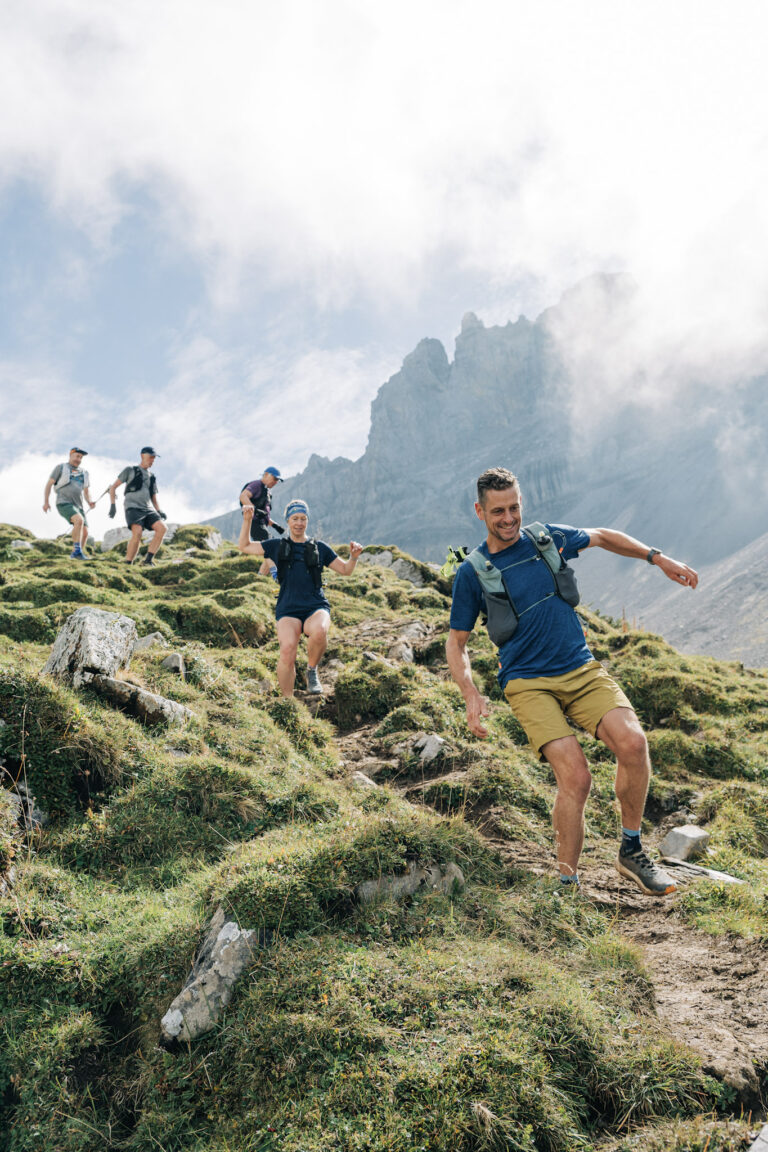
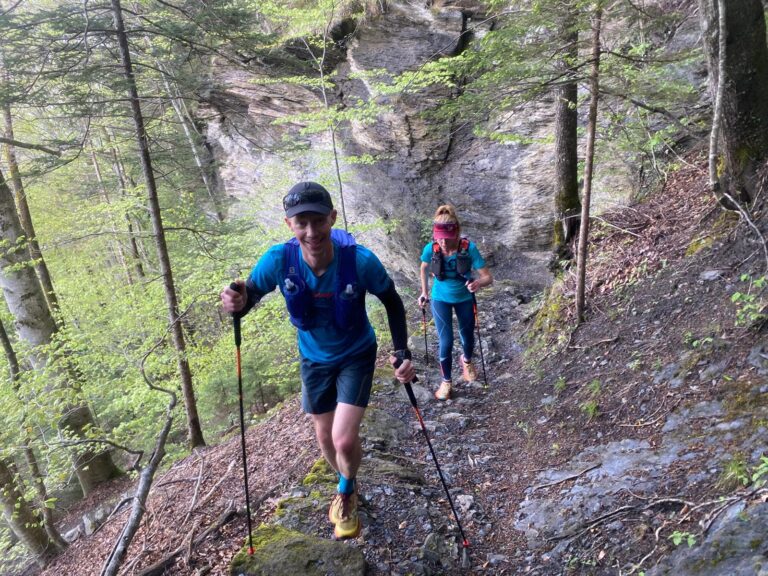
The next day, we start with the core of trail running: climbing and descending. On the climbs, you will learn how to deal efficiently with steepness, terrain, and pace. When do you keep running, when do you switch to power hiking, and how do you use your arms and posture to conserve energy? We will discuss pacing strategies for short and long races and how to avoid burning out too early. We will do hill sprints, run with and without poles, and perform the mobility and strength exercises that Michel has taught you. After a few tough climbs, we will pick up speed on the descents. Accept the downhill!
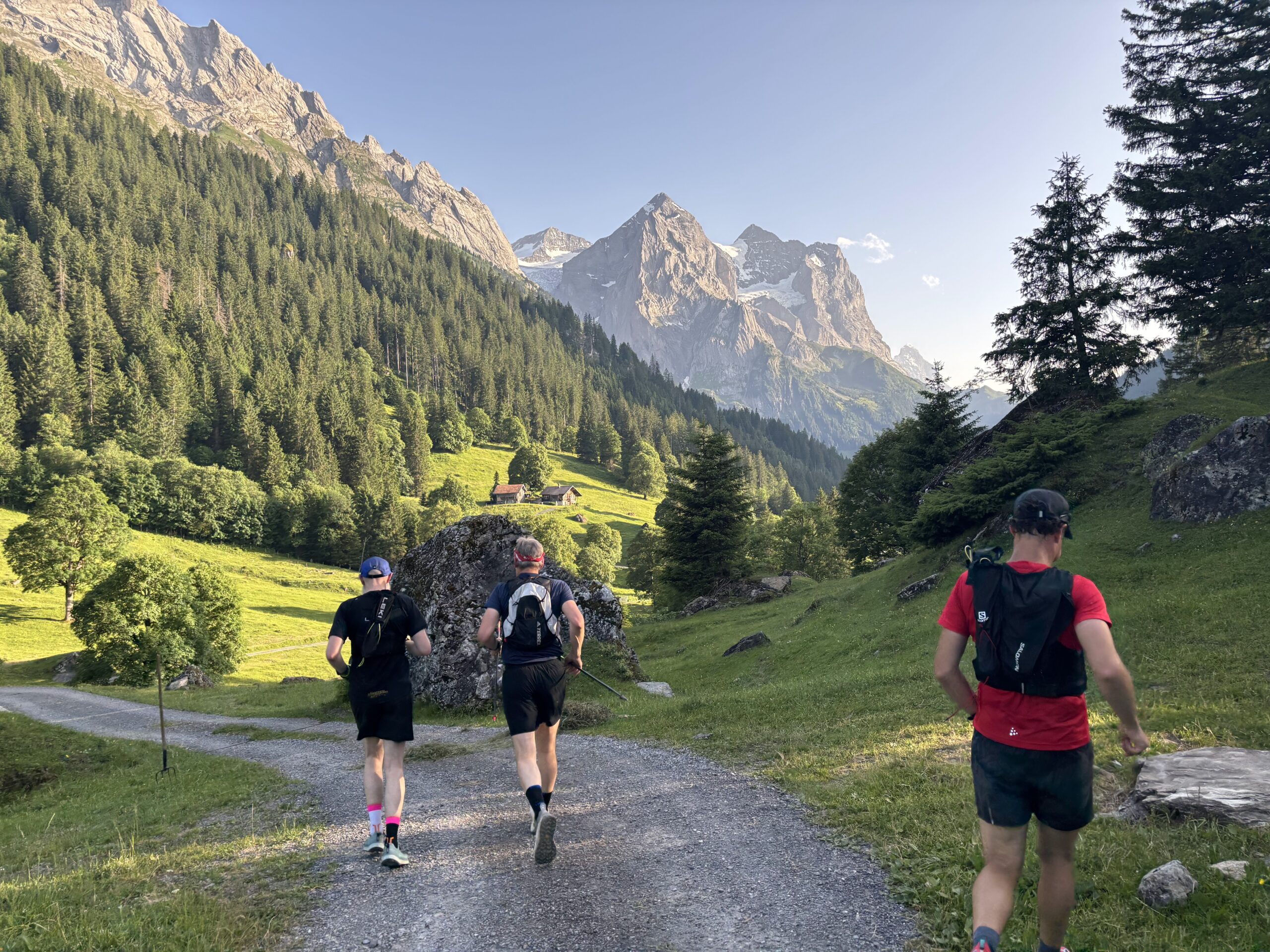
This day is all about the choices you make outside of running itself. We will discuss which gear truly fits you and your goals: shoes for different types of terrain, trail vests, poles, and clothing choices for changing conditions. We will also look at mandatory race equipment and how to carry it as efficiently as possible. In addition, we will spend plenty of time on nutrition and hydration. What should you eat in the days leading up to a race? What works during the run, and how do you prevent stomach and digestive issues? You will learn how to create a personal nutrition plan and how to adapt to conditions such as heat, cold, and altitude. And of course, we’ll head outside and play again :)
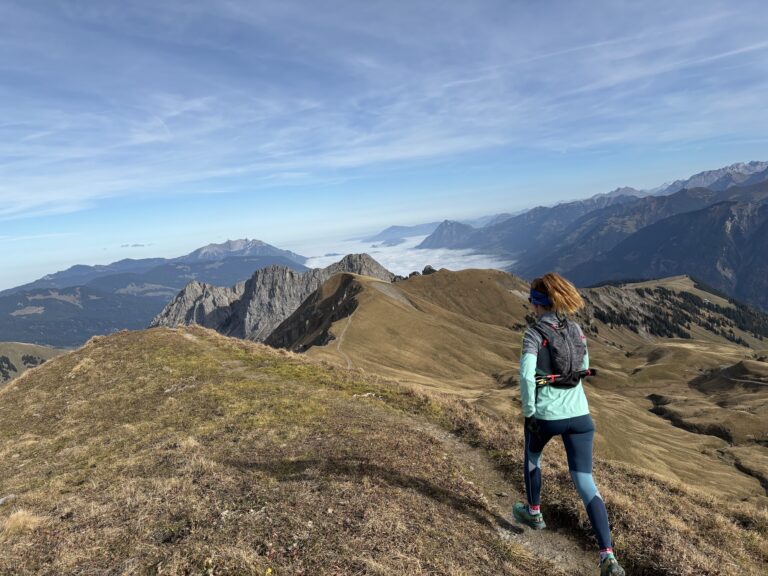
Today, we’re going to tackle everything that usually makes you feel afraid. We’ll head out onto a narrow ridge, cross some streams, and take on an extremely steep descent—all to learn how to navigate these challenges effectively.
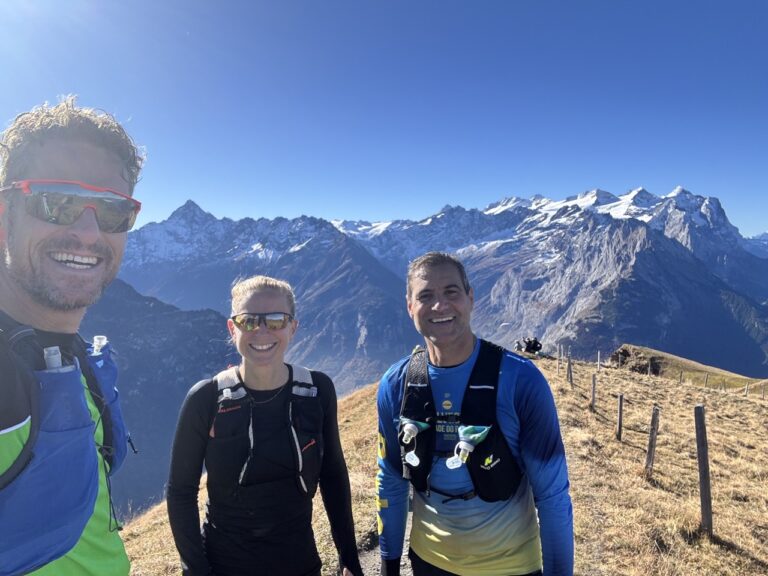
We will discuss signs of overuse, injury prevention, and the importance of strength and stability training for trail runners. We will also look at how to align your training with your life, so you can stay consistent without overreaching. We’ll go for one final run, with room for some last tips and tricks and a chance to try a few more things. After that, it’s unfortunately time to say goodbye—but you’ll head home with a trail pack full of skills and knowledge to apply in your training towards your goal.